
На Луне́ обнаружили но́вый большо́й кра́тер
Scientists have identified a 222-meter-wide crater that formed on the Moon in 2024. The rare impact and its unusually large cold area may help researchers assess risks for future lunar exploration.
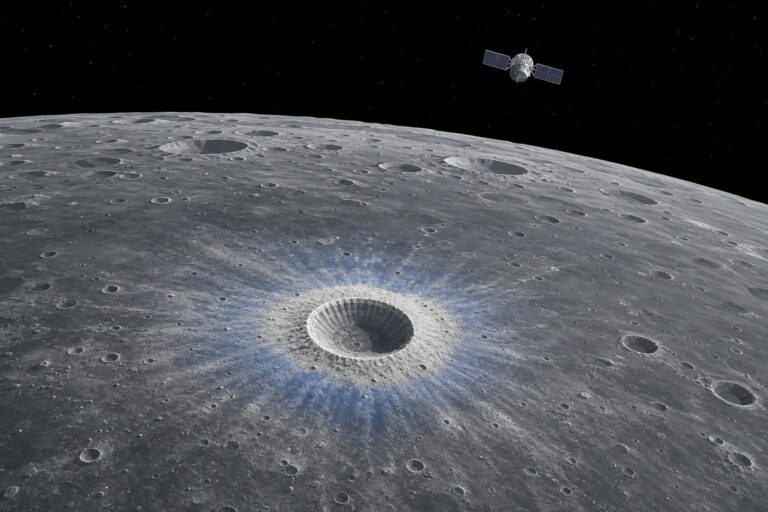
Scientists have identified a 222-meter-wide crater that formed on the Moon in 2024. The rare impact and its unusually large cold area may help researchers assess risks for future lunar exploration.

A research team led by Sirius University has made a stable magnetic fluid from water and cobalt-iron oxide nanoparticles. It could support future work on targeted tumour heating and laboratory diagnostic tools, but it has not been tested in people.

A new study showed that one brain implant can decode attempted speech and gestures at the same time. The system controlled a virtual avatar in real time in two participants.

The IAEA Board of Governors voted on September 9 to refer Iran to the UN Security Council and General Assembly. The vote followed unresolved questions about uranium traces and limited IAEA access to some Iranian nuclear sites.

OpenAI says an internal AI system has produced a proof for the Navier–Stokes Millennium Prize Problem. The result is still a claim: independent mathematicians must examine the proof before the problem can be considered solved.
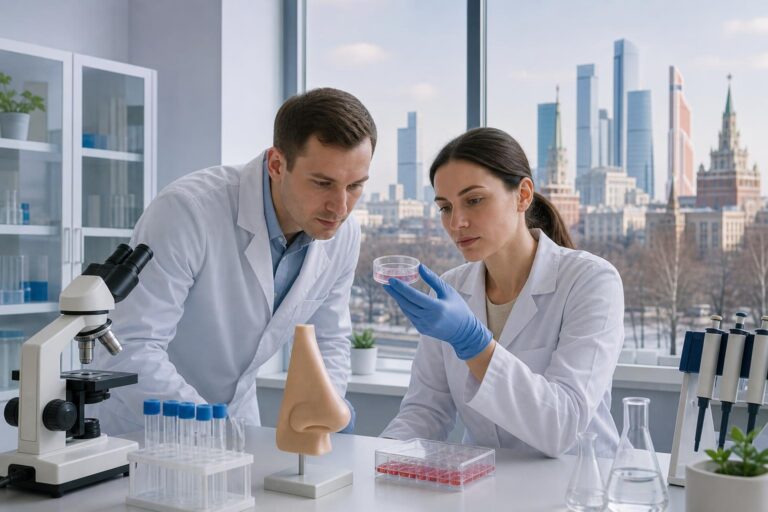
Researchers at Sechenov University completed preclinical tests of a cell product designed to repair damaged tissue inside the nose. The treatment has not yet been tested in patients.
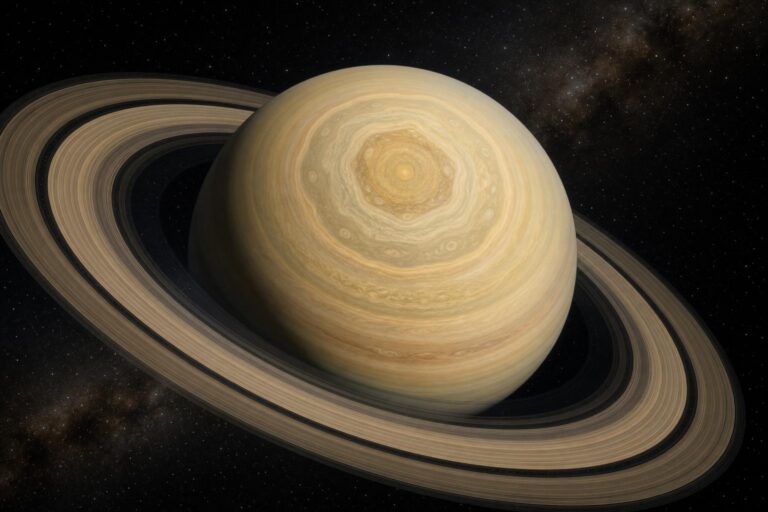
Hubble observations have revealed a huge, evolving ten-sided atmospheric wave around Saturn’s south pole. Scientists are continuing to study how the unusual feature formed and whether it will last.

A new computer-modeling study suggests that the temperature and material strength of the early Earth and Theia may have affected whether the Moon formed from a debris disk or appeared intact soon after a giant impact.

Chemists in Tula developed a solvent-free laboratory method for making compounds from plant-derived materials. The approach produced the desired compounds quickly and with very few extra substances.
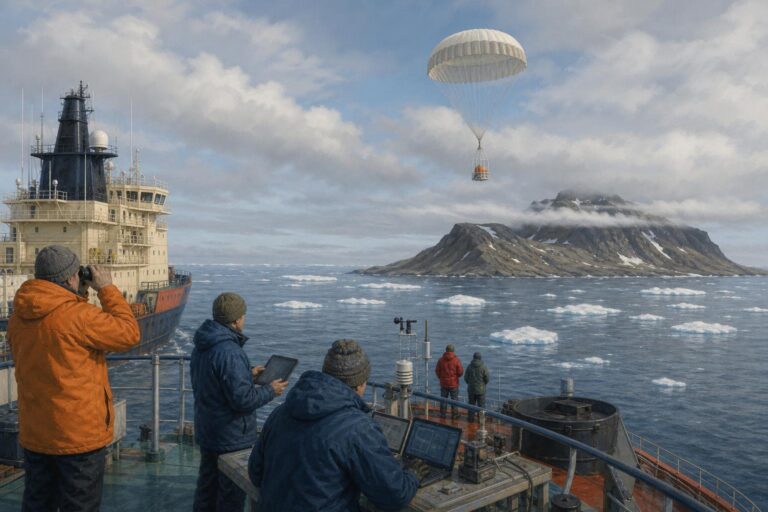
Researchers tested an FM radiosonde and a recoverable stratospheric platform in the Russian Arctic. The platform collected weather and environmental data before landing on Hooker Island.