
В Арктике испыта́ли возвра́тную страто́сферную платфо́рму
Listen to the Article
This audio was generated using an AI voice.
В авгу́сте росси́йские учёные провели́ в Арктике два испыта́ния. С а́томного ледоко́ла «50 лет Побе́ды» они запусти́ли страто́сферный ра̀диозо́нд и возвра́тную платфо́рму для наблюде́ний.
Пе́рвый ра̀диозо́нд подня́лся вы́ше 30 киломе́тров и передава́л FM-сигна́л. Его́ мо́жно бы́ло принима́ть на обы́чные FM-приёмники. Разрабо́тчики счита́ют, что в бу́дущем така́я техноло́гия мо́жет улучши́ть свя́зь в удали́ённых райо́нах.
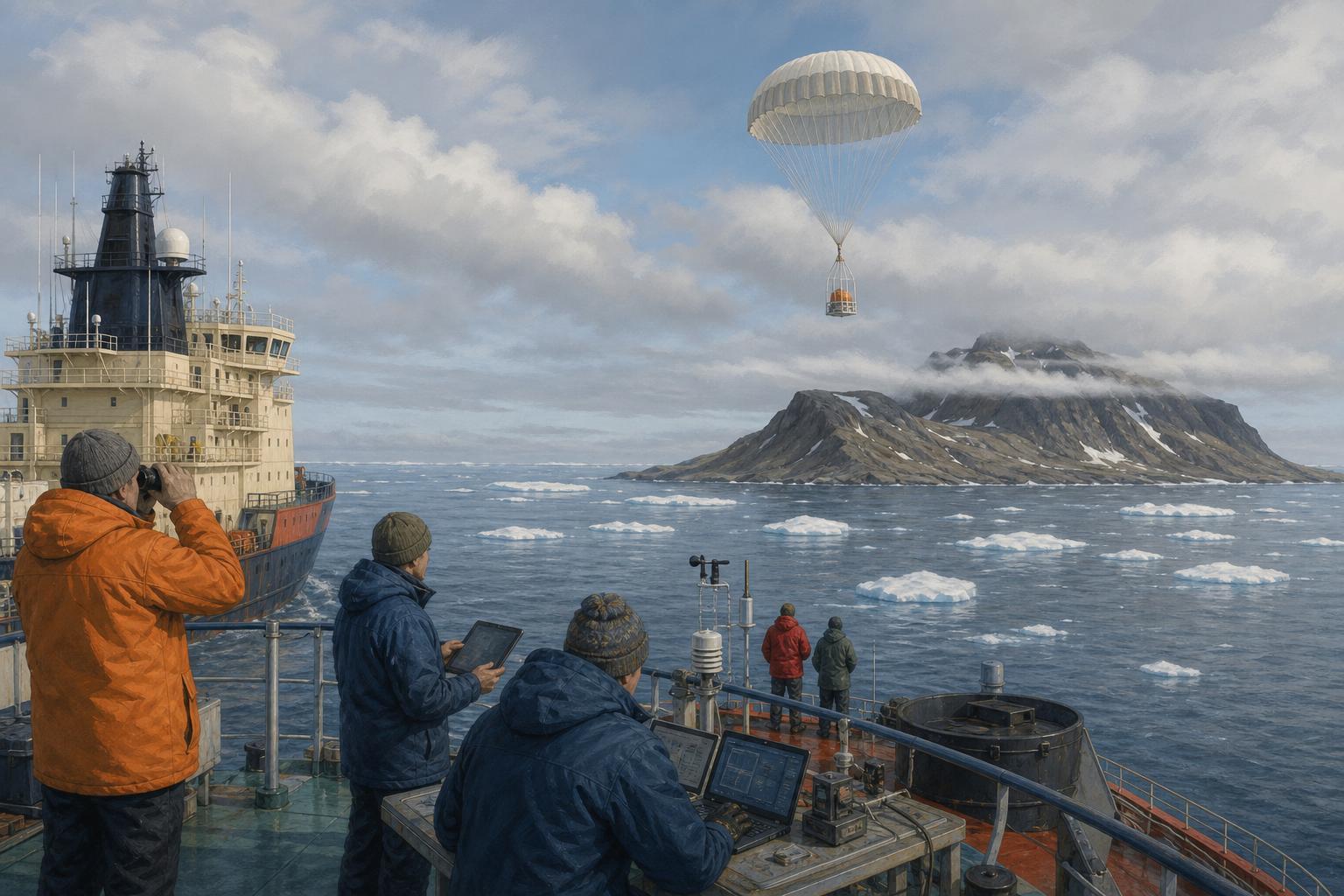
Второ́й аппара́т, подня́тый ге́лиевым ша́ром, дости́г высоты́ 15,5 киломе́тра. За́тем он отдели́лся от ша́ра, проле́тел бо́лее 100 киломе́тров и собира́л метеорологи́ческие и экологи́ческие да́нные. Платфо́рма раскры́ла парашю́т и приземли́лась на о́строве Гу́кера. Из-за плохо́й пого́ды её забра́ли лишь на сле́дующий день.
Таки́е аппара́ты мо́гут помо́чь наблюда́ть за льдо́м, живо́тными и состоя́нием приро́ды в Арктике. По сло́вам представи́телей Мурма́нского аркти́ческого университе́та, по́сле а́нализа полёта учёные плани́руют улучша́ть платфо́рму. Регуля́рные запу́ски планиру́ются с зимы́ 2027 го́да.
Show English Translation
Russia Tests a Recoverable Stratospheric Platform in the Arctic
In August, Russian researchers carried out two tests in the Arctic. From the nuclear icebreaker 50 Let Pobedy, they launched a stratospheric radiosonde and a recoverable platform for observations.
The first radiosonde rose above 30 kilometres and transmitted an FM signal. It could be received on ordinary FM radios. The developers believe that this technology may eventually improve communications in remote areas.
The second device, lifted by a helium balloon, reached an altitude of 15.5 kilometres. It then separated from the balloon, travelled more than 100 kilometres, and collected meteorological and environmental data. The platform opened a parachute and landed on Hooker Island. Because of bad weather, it was recovered only the next day.
Such devices may help monitor ice, animals, and environmental conditions in the Arctic. According to representatives of Murmansk Arctic University, researchers plan to improve the platform after analysing the flight. Regular launches are planned from winter 2027.
Key Vocabulary
| Russian | Part of speech | English |
|---|---|---|
| испыта́ние | noun | test; trial |
| возвра́тный | adjective | recoverable; able to return |
| страто́сферный | adjective | stratospheric |
| ра̀диозо́нд | noun | radiosonde; instrument carried by a weather balloon |
| передава́ть | verb | to transmit |
| удалённый | adjective | remote |
| ге́лиевый | adjective | helium; made or filled with helium |
| отдели́ться | verb | to separate |
| метеорологи́ческий | adjective | meteorological |
| парашю́т | noun | parachute |
| приземли́ться | verb | to land |
Sources
- Polar Journal: Russia tests new stratospheric technologies in the high Arctic
- RUVDS: RUVDS conducted the first FM broadcast from the stratosphere above the North Pole
This learner article is an original summary based on the sources above. The featured image is an AI-generated editorial illustration.