
Россия́ плани́рует увели́чить вое́нные расхо́ды в 2027 году́
Russia’s draft budget plans 17.1 trillion rubles in defense spending in 2027, about 27% above the earlier plan. The government also raised its forecast for the 2026 budget deficit.

Russia’s draft budget plans 17.1 trillion rubles in defense spending in 2027, about 27% above the earlier plan. The government also raised its forecast for the 2026 budget deficit.

Russia’s Finance Ministry is preparing tax-law changes on how businesses can count spending on protection from drones and repairs after attacks. Officials have not announced the detailed rules or when they would begin.

President Donald Trump signed a U.S. law on September 18 that strengthens sanctions targeting Russia’s war economy. It also gives the White House authority to impose high tariffs on major buyers of Russian oil and gas.
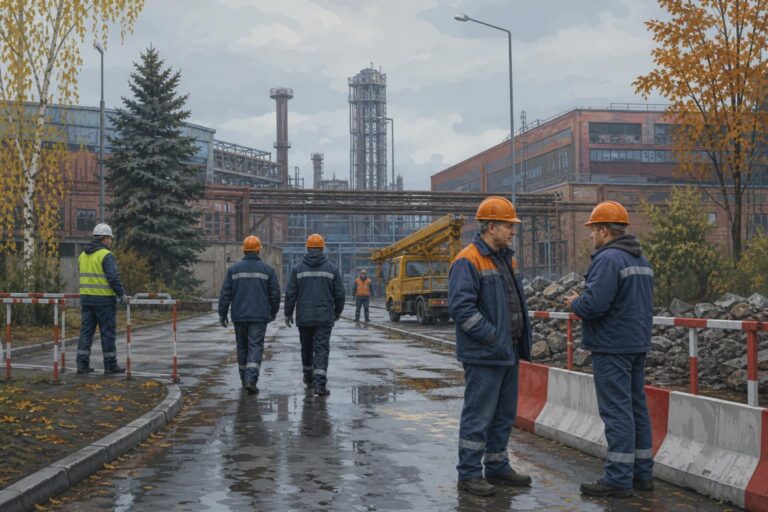
A Russian strike on the Kametstal steel plant in Kamianske killed five people and stopped production. The plant has begun emergency repairs, but the date for restarting work is not yet known.

Russia began a wider rollout of the digital ruble on September 1, 2026. The service is voluntary for individuals, while major banks and qualifying large retailers must make digital-ruble payments possible.

Vladimir Putin signed a decree allowing temporary state management of critical infrastructure in Russia when owners fail to protect facilities or restore their work after attacks. The decree covers energy, industry, communications, transport and logistics.

Fuel shortages and sales limits have returned in parts of Russia. Reuters reported long queues at petrol stations in Moscow, while the government has restricted fuel exports.

Following Ukraine’s August 12 strike on Novorossiysk, all three grain terminals at the Russian Black Sea port temporarily stopped work. Ukraine later proposed a halt to attacks on civilian targets in the Black Sea.
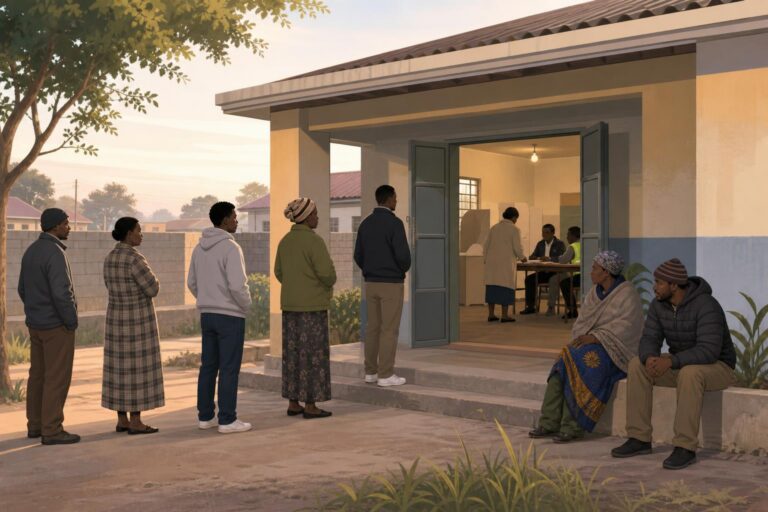
Zambians voted on August 13 in a general election for president, Parliament and local councils. Food prices, unemployment and electricity shortages were important concerns for many voters.

Volodymyr Zelenskyy made his first official visit to Serbia and met Aleksandar Vučić in Belgrade. The leaders discussed economic ties, humanitarian aid, reconstruction, and Serbia’s position on Russia-related sanctions.