
Пробле́мы с то́пливом в Росси́и сохраня́ются, осо́бенно в Сиби́ри
Listen to the Article
This audio was generated using an AI voice.
Пробле́мы с бензино́м и ди́зельным то́пливом в не́которых регио́нах Росси́и продолжа́ются. 25 ию́ля вице-премье́р Алекса́ндр Но́вак заяви́л, что са́мая сло́жная ситуа́ция остаётся в ча́сти сиби́рских регио́нов. Он доба́вил, что пра́вительство рабо́тает с нефтяны́ми компа́ниями.
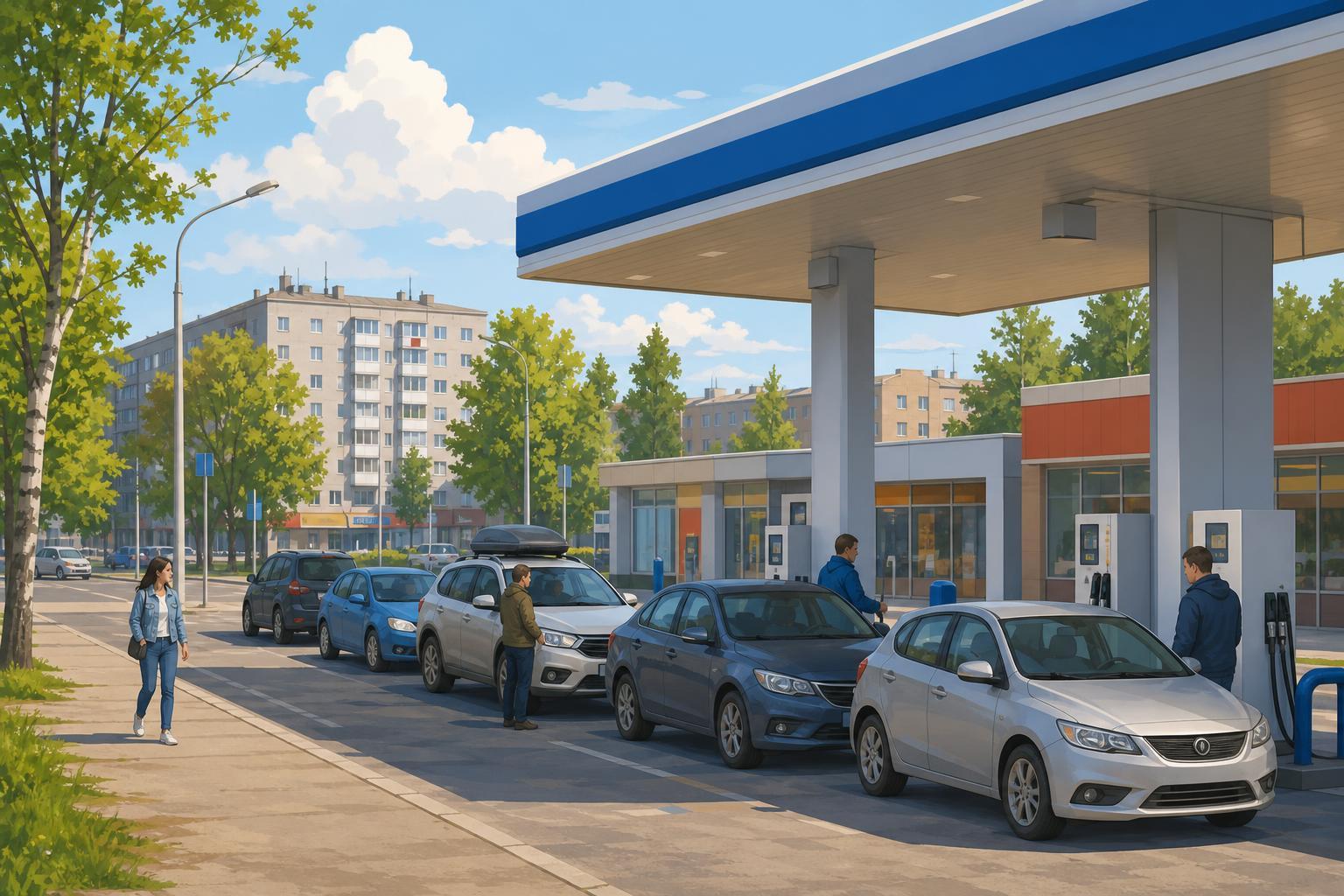
В ря́де мест запра́вки вре́менно ограни́чили прода́жу то́плива. Води́тели могли́ купи́ть лишь небольши́е коли́чества бензи́на или ди́зельного то́плива. Неко́торые лю́ди жда́ли в о́чередях по не́сколько часо́в, а отде́льные ста́нции совсе́м не продава́ли ну́жный вид то́плива. Таки́е ограни́чения осложня́ют обы́чные пое́здки и рабо́ту ме́стного би́знеса.
Одно́й из гла́вных причи́н ста́ли украи́нские уда́ры беспило́тниками по росси́йским нефтезаво́дам. Украи́на нано́сит э́ти уда́ры в хо́де защи́ты от полномасшта́бного росси́йского вторже́ния, нача́того в 2022 году́. По да́нным А́П, в ию́не объём перерабо́тки не́фти был на 25 проце́нтов ни́же, чем год наза́д. Э́то уме́ньшило вы́пуск то́плива и уси́лило дефици́т в не́которых райо́нах.
Вла́сти продли́ли запре́т на экспо́рт бензи́на до конца́ 2026 го́да. По слова́м Новака́, ситуа́ция посте́пенно улучша́ется, потому́ что не́сколько нефтезаво́дов сно́ва нача́ли рабо́тать. Росси́я та́кже обсужда́ет возмо́жные поста́вки то́плива из Казахста́на. Одна́ко пока́ нея́сно, когда́ они́ смо́гут заме́тно измени́ть ситуа́цию для води́телей.
Show English Translation
Fuel Problems Continue in Russia, Especially in Siberia
Problems with gasoline and diesel fuel continue in some Russian regions. On July 25, Deputy Prime Minister Alexander Novak said that the most difficult situation remained in parts of Siberia. He added that the government was working with oil companies.
In a number of places, petrol stations temporarily limited fuel sales. Drivers could buy only small amounts of gasoline or diesel fuel. Some people waited in queues for several hours, while some stations did not sell the needed type of fuel at all. Such restrictions make ordinary travel and local business operations more difficult.
One of the main reasons has been Ukrainian drone strikes on Russian oil refineries. Ukraine is carrying out these strikes while defending itself against Russia’s full-scale invasion, which began in 2022. According to AP, the volume of oil refining in June was 25 percent lower than a year earlier. This reduced fuel output and worsened shortages in some areas.
The authorities extended the ban on gasoline exports until the end of 2026. According to Novak, the situation is gradually improving because several oil refineries have started operating again. Russia is also discussing possible fuel supplies from Kazakhstan. However, it is still unclear when these could noticeably change the situation for drivers.
Key Vocabulary
| Russian | Part of speech | English |
|---|---|---|
| ди́зельное то́пливо | noun phrase | diesel fuel |
| вице-премье́р | noun | deputy prime minister |
| запра́вка | noun | petrol station; gas station |
| ограни́чение | noun | restriction; limit |
| о́чередь | noun | queue; line |
| беспило́тник | noun | drone |
| нефтезаво́д | noun | oil refinery |
| перерабо́тка | noun | processing; refining |
| дефици́т | noun | shortage |
| экспо́рт | noun | export |
| поста́вка | noun | supply; delivery |
Sources
- Associated Press: A fuel crisis hits Russia after weeks of Ukrainian attacks on refineries
- Reuters via MarketScreener: Fuel situation still difficult in some Russian regions – agencies cite deputy PM
- S&P Global: Russia extends gasoline export ban until end of 2026
This learner article is an original summary based on the sources above. The featured image is an AI-generated editorial illustration.